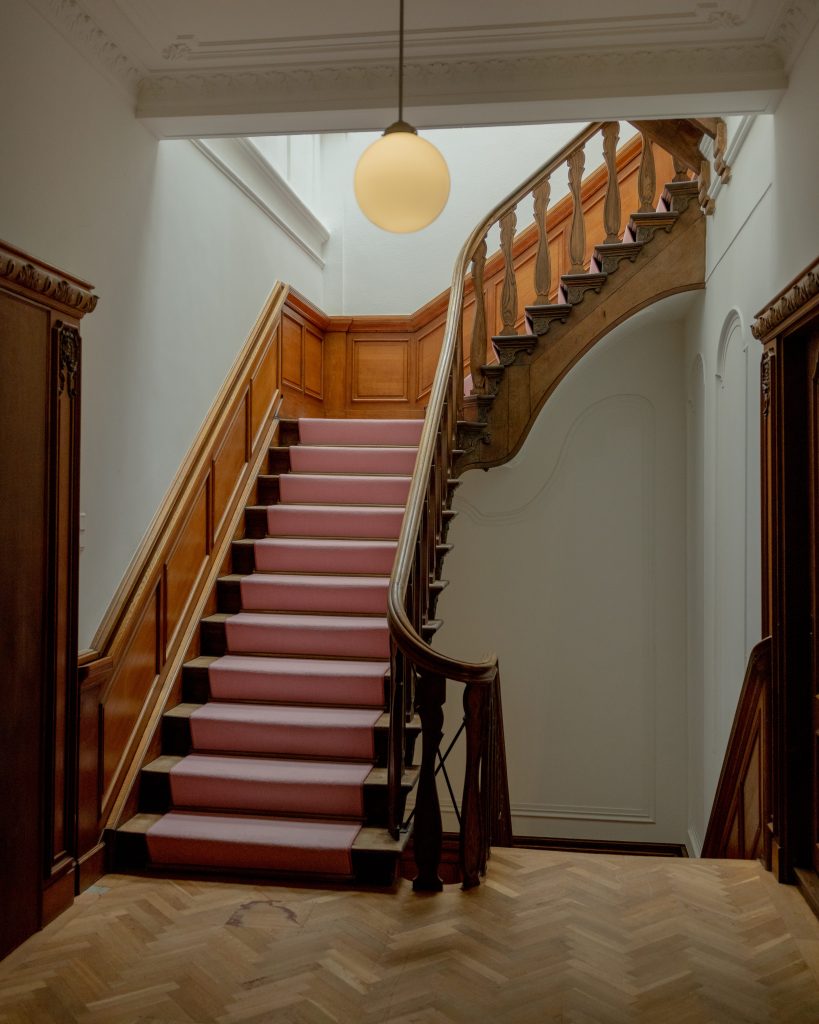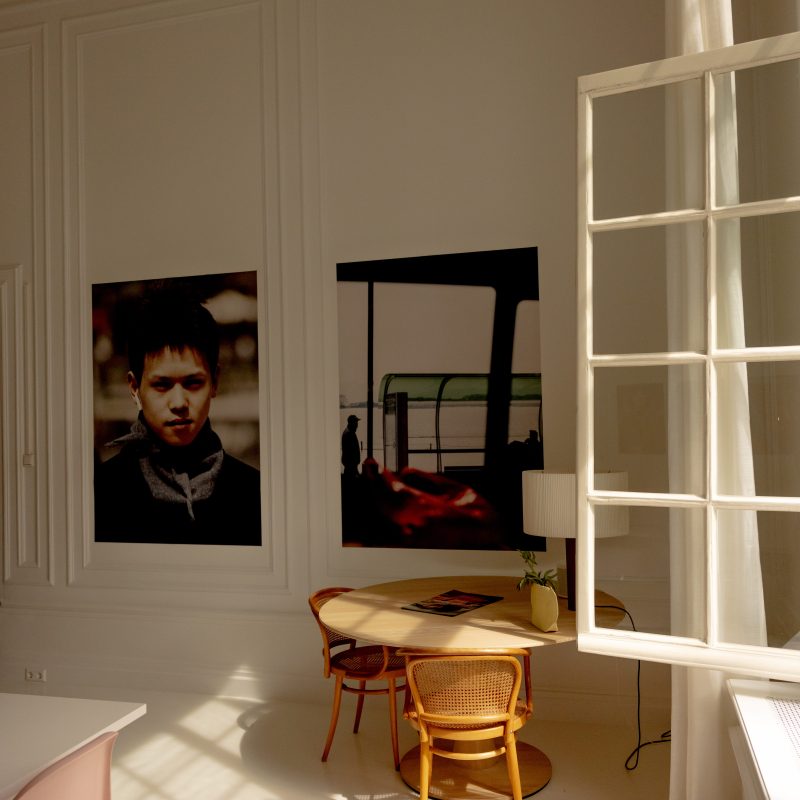
Behind the façade of an Amsterdam canal house sits Extreme Cashmere’s headquarters; a space that feels equal parts design studio and home. Towering ceilings, a custom mint sofa, a generous dining table that anchors their lunchroom and, tucked neatly beside a desk, a bed for the office golden retriever. It’s the kind of place many Amsterdammers dream of living in, and for one evening during Amsterdam Fashion Week, guests are invited inside.
Rather than marking its Amsterdam Fashion Week debut with a traditional runway show, Extreme Cashmere is opening the doors to its own world. Together with neighbourhood favourite Zoldering, the brand will host an intimate dinner reflecting the brand’s belief that clothing is about lived experience as much as design.
Ahead of the evening, we sat down with Head Designer Jules to talk about building a brand around one material, designing for “every body and everybody”, and finding inspiration in everyday life.
You’ve dedicated the entire brand to one material. Does working within that limitation actually create more creative freedom?
I don’t think it feels like a limitation at all. It’s really more of a creative tool. In the beginning of Extreme Cashmere, we focused on a single yarn, a pure cashmere knit. Over time we’ve started applying cashmere across different categories as well. We now have wovens and other materials that we combine with cashmere, but cashmere is always the starting point. I think that focus actually gives us direction. Because we have that focus, we’ve always tried to push the boundaries of cashmere itself. Cashmere used to have quite a dusty image and was used in a very conservative way. That meant there were so many opportunities to move beyond those expectations, and there still are. We often zoom in on questions like: how can we tell as many stories as possible through this material? How can we work with colour, shape and all those different disciplines? So it definitely doesn’t feel limiting. It’s more like a creative guideline that allows us to keep pushing in different ways.
Extreme Cashmere has always resisted the traditional rhythm of seasonal collections. What made you decide to build the brand around an evolving wardrobe instead?
What we’re constantly pushing back against is the seasonal calendar. You have Spring/Summer, Pre-Fall and Autumn/Winter, but those categories don’t really reflect the way we live anymore. Spring/Summer gets sold in January, for example. It’s quite an outdated system. For us, January is actually when we most want to wear cashmere, whereas in summer, when Autumn/Winter collections are actually being sold, people often don’t. So we try to challenge that whole idea of something belonging to a summer season or a winter season. In winter, we want to be selling heavy knits, warm jumpers and warm cardigans. That’s when people actually need them. ‘All seasons, all occasions’ is really the foundation of every collection. Sometimes we play with seasonal themes. We might explore what cashmere means on a beach during a really hot month, or what cashmere means when you’re out in the countryside without heating. It can be anything. We like reflecting on seasons thematically, but not necessarily at the exact moment that season is happening.
So the motivation isn’t really about systematically rebelling against the system, but more about listening to your customer and thinking about what actually works for them?
Yes, although even more than the customer, it starts with ourselves. As people who wear our own products, we ask ourselves: when do we actually want to wear certain things? I think that’s often quite representative of what our customer wants as well. Of course there are challenges. The buying system is still very much built around Spring/Summer and Autumn/Winter, so there is an element of rebellion in that. I honestly think it’s both. From the very beginning we’ve been quietly rebelling against the system. Not as a big statement, but simply because it feels natural for us to question things, including the way fashion seasons work.
Your slogan is “for every body and everybody.” How has that philosophy evolved since launching the brand almost ten years ago?
It’s really the foundation of Extreme Cashmere. When Saskia founded the brand, All occasions and For every body and everybody were the starting points. It actually came out of developing that very first jumper. During fittings we realised it really needed to be one size. Then we saw that the same jumper fit her stepson, her nieces; everyone around her. It became clear that the same jumper created a completely different garment on every person. That really inspired the brand.
For every body and everybody means several things to us. There’s the physical body, so sizing, and how the same jumper becomes something completely different depending on who’s wearing it. But it’s also about identity. When we’re designing collections, we often think about people we know. For example: if my father looked at this collection, would there be something for him? And if I wanted something from this collection, would there be something for me? We try to design for different identities, and to make the collection as universal as possible.
Your recent stories have all centred around people from Amsterdam and its surroundings. What drew you towards documenting local creatives and craftspeople instead of producing a more traditional campaign?
We really like showing our clothing in situations that feel very Extreme Cashmere, but are still completely real. A fashion campaign doesn’t always reflect that. Sometimes it’s fun to really push into the fashion side of things as well, but we wear our clothes every day. We work in them. Sometimes we even exercise in them. We go to the beach in them. We do all sorts of things that people probably wouldn’t expect you to do in cashmere. We really try to encourage people to make cashmere part of their everyday life. That’s why we love featuring people like chefs, makers or artists. You see the clothes in real life.
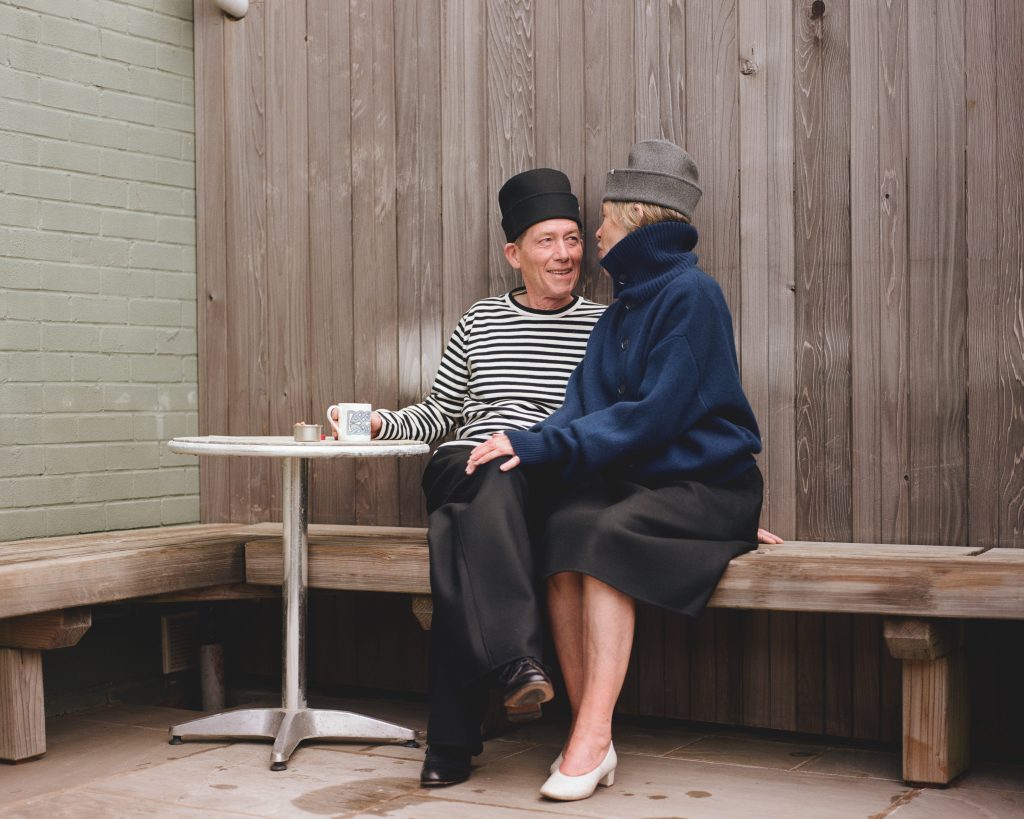
The people you feature don’t necessarily come from the fashion world, but they all have a strong sense of character. What makes someone an “Extreme Cashmere person” to you?
We usually start from storytelling rather than something visual. It often starts with a feeling, or a situation, or a story, and then we try to create that through clothing. From there we build a persona around it. We ask ourselves: what kind of job would this person have? What kind of landscape belongs to them? Do they live in a city, or somewhere in the countryside? Are they someone who’s a little outside society, or are they actually very glamorous? We kind of build that person first, and then we look around us to see who fits. Sometimes that’s someone close to us. Sometimes we’re travelling and an edition is connected to a particular place in the world, so we look at who’s there. It doesn’t even have to be a creative. It could just as easily be someone with a craft or a manual profession. There’s actually a huge amount of research that goes into finding the people who really fit the story we’re trying to tell. And there also has to be a connection. It has to be someone we’ve genuinely met, or someone that somebody on our team actually knows.
It feels like those people are genuinely wearing something they would choose themselves, partly because you also get to know their personal story. It all taps in to a very human side of the brand. Is that also what led you to choose a dinner for your Amsterdam Fashion Week debut instead of a traditional runway? It feels like you’re inviting people into your own world, rather than asking them to observe it from a distance.
Exactly. That was very much the intention. Whenever we organise an event, we want to feel a real connection with the people who come. We want to talk to them because we have so much to tell about what we do. And because we work so differently, there are still things we need to explain. There’s a lot to talk about. We simply want to connect with our audience. That’s why we’re doing it this way instead of through a more traditional show, where there’s much more distance between what’s being presented and the audience.
How will Extreme Cashmere actually be present during the dinner?
Our whole team will be present in the room and some of us will also be helping with the service. We really want to be part of the evening. We’ll sit with people, we’ll talk to them. Even the food we will serve has a connection to us. Zoldering is the restaurant just around the corner where we always have our team dinners, so it felt really special to do this together with them. You’re stepping into the world of Extreme Cashmere. And I think that world is just as important as the product itself. It’s quite an intimate encounter with Extreme Cashmere because you’re literally in our home. The way we do things here, everything reflects the Extreme Cashmere way. So I think Extreme Cashmere will mostly be present in spirit.