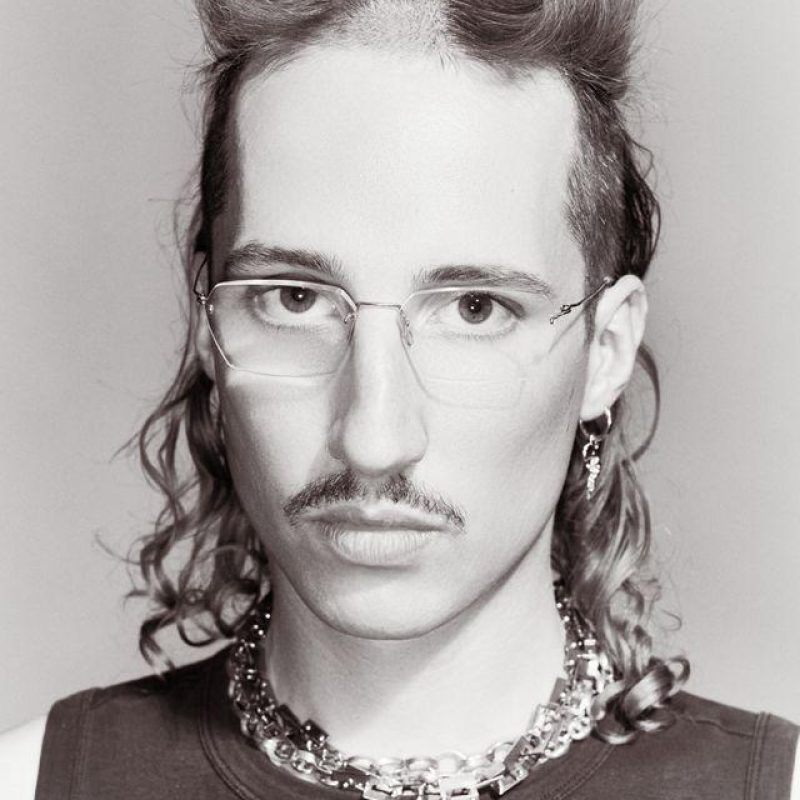
There are casting directors, and then there is Michiel van Maaren. A character in every sense of the word, he has built a career out of spotting them. Everyone in fashion claims to be looking for “character”, but Michiel actually built his name on it, consistently choosing people who don’t fit the brief, and then making them the brief. In this interview, he talks about how that instinct turned into a job, what it means to cast in an industry currently obsessed with AI and perfection, and why he’s not interested in either.
When did ‘people-watching’ shift from an intuitive hobby to something you saw as a profession? Did you feel that being a casting director was taken seriously at the start?
I interned at Vogue Netherlands as a production assistant. I was already obsessed with models, but it was during my time at Vogue that I realised casting director was a legitimate job. I compiled a database of all the Dutch models and selected those I found truly interesting. One of them was Jill Kortleve, whom I booked for a Levi’s collaboration. Now she has been on the cover of Vogue many times, and that was a moment where I realised I might actually have an eye for this. I didn’t initially recognise my talent because I had to fight hard to make things happen. My first major casting that made it into the magazine was a shoot where all the heads were cropped out, but it featured predominantly people of colour. I thought, “See! I can get people of colour into Vogue.” This to me was truly iconic. I was just 18 then. I quickly secured a position as a model scout at agencies and realised I could earn money from this.
Thanks to TikTok, people are finally realising that scouting is a job in its own right. I juggle multiple roles. I trained as a designer, studied textile design, and worked in styling and social media, which is cool, but some people struggle to take me seriously because of it. I was doing a bit of everything, and people couldn’t place me, so they didn’t take me seriously. That’s something very particular to the Dutch industry. It’s so frustrating. I consciously scaled back on social media and focused entirely on casting and scouting, though I still do everything else, I just don’t post about it anymore. It’s a shame, but it helped.
How are you navigating work right now, and what changes are you seeing in the industry?
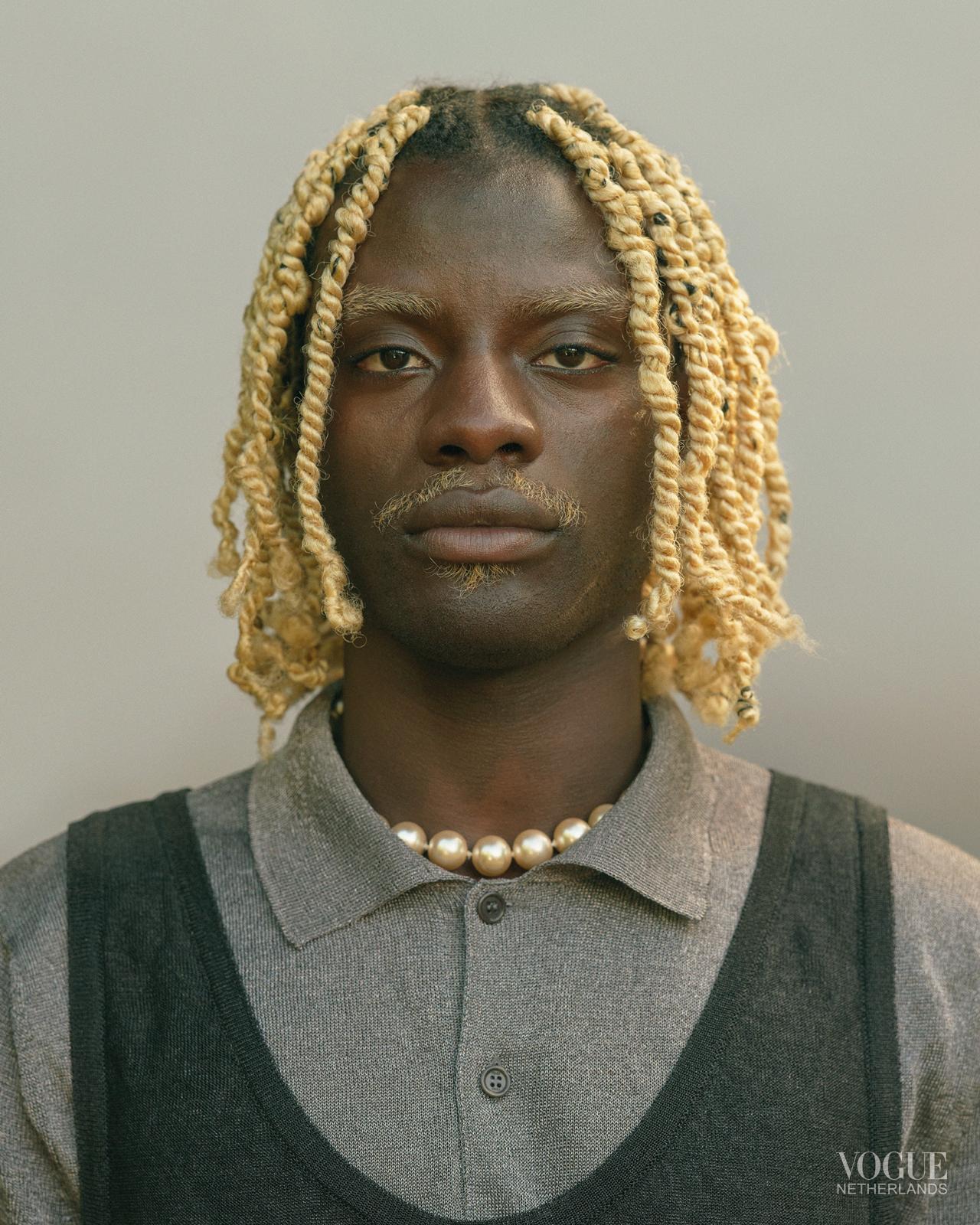
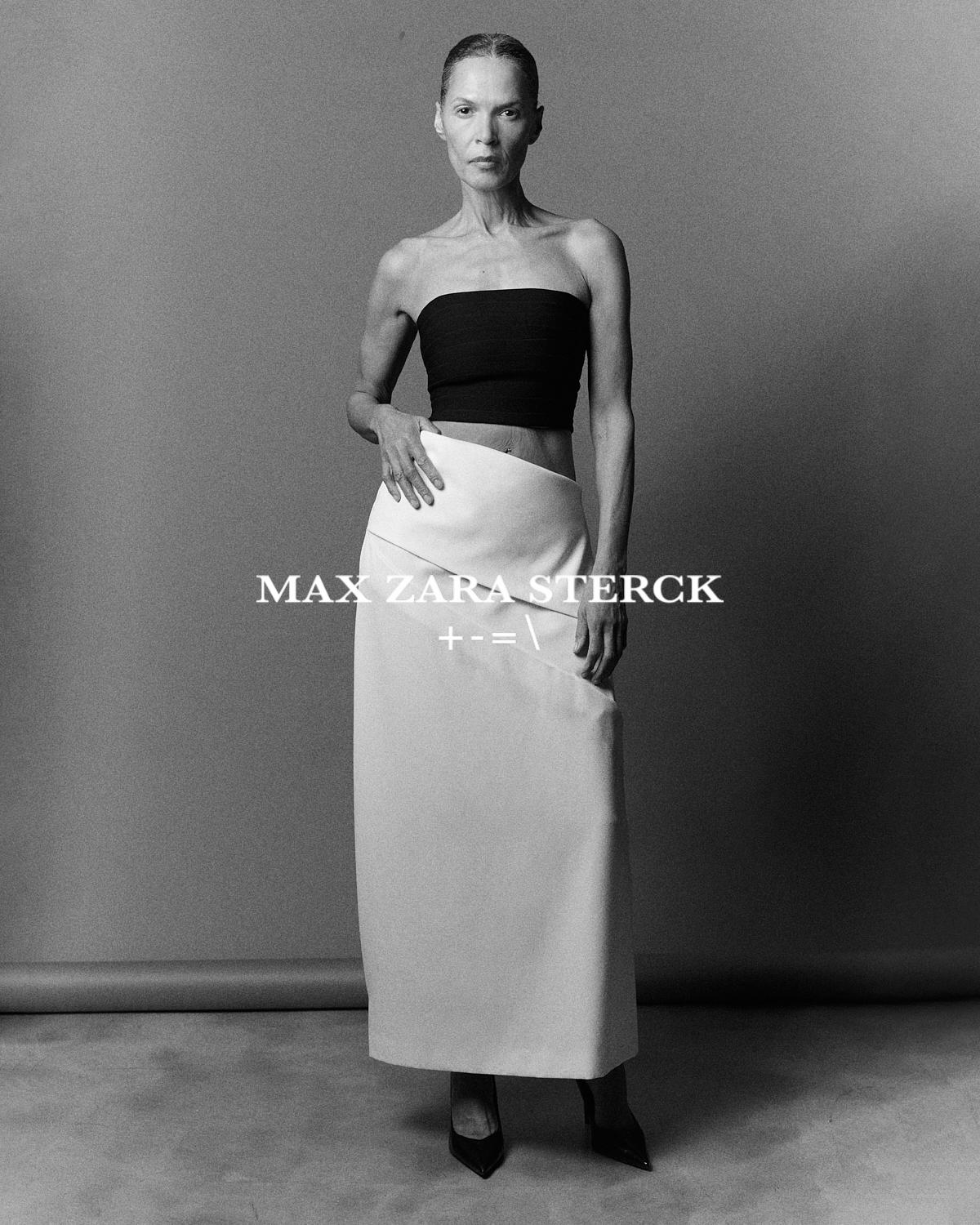
At the start of the year I lost two people who were very close to me, so I’ve intentionally taken it easier this year. Last year I tackled 280 jobs, and now I think I’m only at about 30 or 40. While that’s still a lot, it’s significantly less compared to last year. That said, I have a TV show coming up in the spring, and I’ve just wrapped the Max Zara Sterck show at Milan Fashion Week. Acne has recently had my faces strut down the runway. I’m still doing a lot, but somehow it feels much calmer.
Generally, I’ve noticed a shift in the work climate this year. Many models are saying they have less work, but each season is different, so perhaps there will be more opportunities next season. There’s a palpable fear surrounding the AI takeover; bigger brands are already almost fully moving in that direction. At the same time, I’m noticing that working with real people is becoming a form of luxury again. Being able to show that you’ve booked an actual model and worked with a photographer matters. People are moving away from the perfect image; they want to see the team behind the work. I think there’s a rat race for AI right now, but at the same time more “messy” content is being pushed to show something human. A counter-reaction is coming.
Even how thin models are on the runway again feels like a reaction to the state of the world. The recession, everything that’s happening globally. Progress is not linear. The world feels like it’s on fire, and one of the first things that happens is that models get thinner again.
How do you deal with that? How do you handle requests for ultra-thin models?
I simply don’t do it. I push back. As a casting director, I’m quite high up in the credits list, so I can influence a lot when working with a designer. For instance, with Max Zara, I insisted on booking at least one curve model, and Max is totally on board, but it can be challenging. The current trend is to book older models, but they’re often “thin” older models. Trans models, especially at the beginning of their transition, tend to be quite slender as well. And the other thing is, everyone generally focuses on female models, but male models are often even thinner, and we need to pay attention to that. After the recent Prada show, I genuinely thought, “This isn’t going well.”
Do you think you can affect real change here?
I do notice that when I, for example, do an interview with NRC, a completely different audience sees my work. In high fashion I can really make an impact, but it has also become important to me to bring that into commercial work. For example, I worked on a shoot for HEMA where they needed someone, and I proposed a girl with green and blue hair and a piercing. I had to really convince them that this was the message they wanted to communicate, and surprisingly they agreed. That’s where I feel I can create change in the media that most people actually see. Shows are still quite niche and exclusive. I can shift things, but the people around me also need to shift, and many are still holding on to that very narrow idea of perfection. But when you show something unfamiliar, that’s when the reactions start pouring in, and those are often the people I enjoy casting the most.
The landscape is shifting rapidly. You move left, try to follow, and then the rest shifts right again. You have to forge your own path, and I feel that strongly. I stepped into the scene when street casting and rawness were celebrated. That trend cycle has faded, but I continue to push forward. I might only be relevant again in 20 years, but that doesn’t concern me. I want to stay true to myself. For me, the most important thing is that I can give a platform to people who don’t have one. That’s why I do this.
Where were you, and who were you looking at, the last time you thought: this is exactly why I do what I do?
I take the ferry to Amsterdam Noord every day to go to my office and I love it. Every day I’m standing there again with a completely new herd of people on that boat. There’s a woman who sells the ‘Daklozenkrant’ who I’m slightly obsessed with. She’s always completely done up—full maquillage, really glamorous, fabulous. It makes me so excited to see her in the morning. Every day she asks if I can spare something to buy the paper, and I’m like, yes babe, absolutely, I’m basically sponsoring this makeup routine at this point. I just want her to keep going. The only issue is I now own an absurd stack of these newspapers. It’s got to the point where I bring them to client meetings.
Many of the people you cast are close to you—friends, muses, family. How does that change the dynamics on set compared to working with people you don’t know? Does working with loved ones make the process easier or bring pressure? Do you feel a responsibility towards them?
That’s how I started, but now I joke that I have 10,000 friends and family. For a job with ASICS we needed families, and I suggested a lot of people close to me because I know their dynamics. But I also suggested people I didn’t know personally, just based on things I’d noticed, like someone posting their father on Instagram for Father’s Day. I screenshot everything. I know a lot about people, and they don’t know that I know. In the end, many of my close friends were booked. I don’t have the final say, but I love that I can give them that opportunity.
I must say, none of my friends expect this from me. Occasionally, I have people approach me, asking why I haven’t booked them yet, which I find challenging. On the flip side, I understand the eagerness, but they should DM me instead of asking me directly. It’s wonderful that I have friends and family who don’t expect that from me; they are still surprised when it does happen. Beauty is the most subjective thing there is, and I do believe that when I post new faces, more people start believing that what I show is beautiful. I have many beautiful friends, but that perception grows as my audience finds them beautiful too.
While it’s nice to earn a living from it, money has never been the main motivation. My goal has always been to bring the outcasts into the spotlight. I’m particularly drawn to those who may provoke surprise or discomfort and those who are unapologetically themselves. It’s inherently my goal to elevate these individuals and encourage a new way of perceiving beauty.
It’s quite amusing to me that the nature of your job is generally considered inherently exclusive, a role that judges and restricts beauty, however you’re doing the complete opposite. It’s refreshing that you can find success in demonstrating that everyone has beauty.
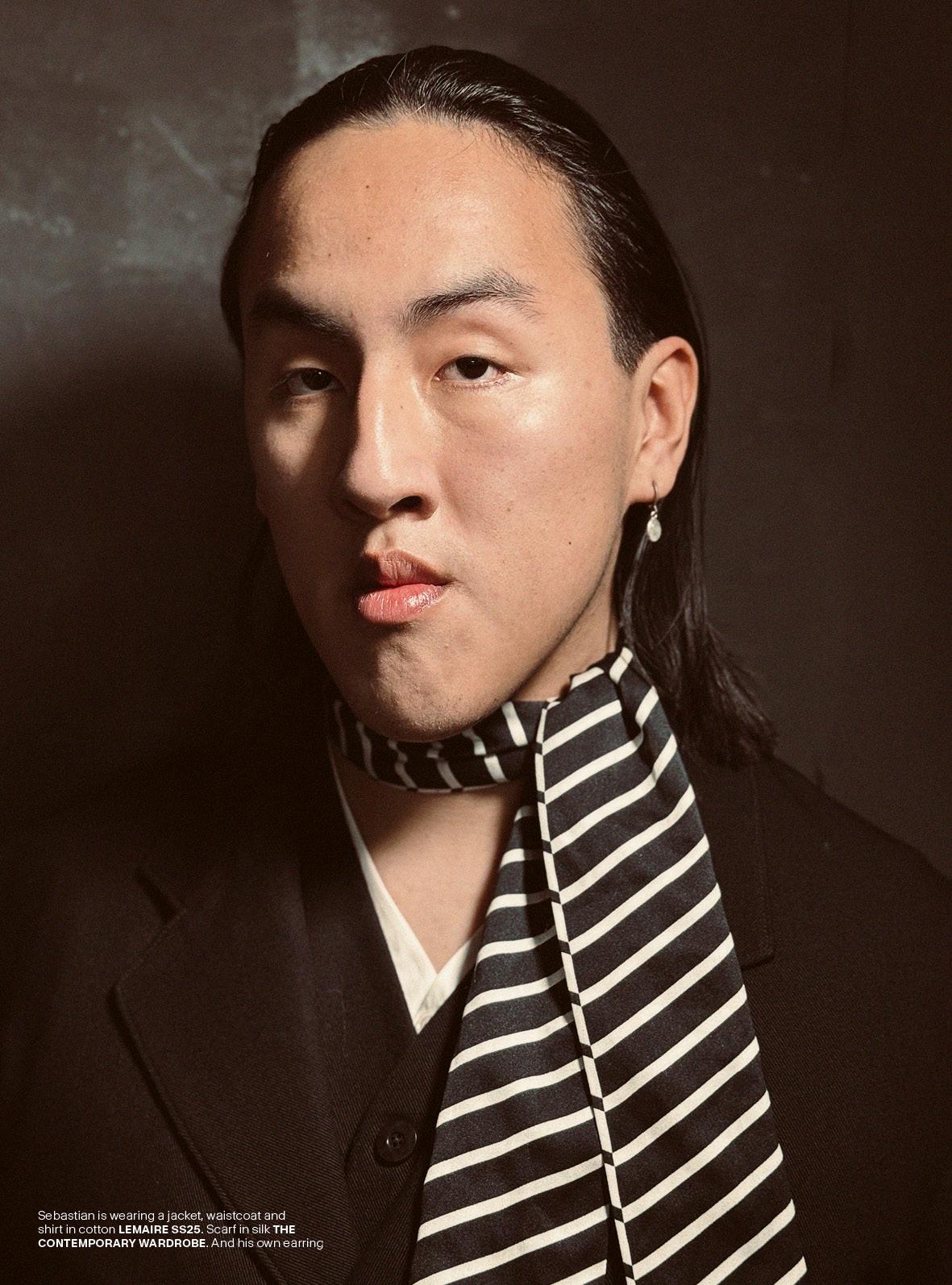
It’s an industry where many remain unseen. Even if I meet 300 to 500 people per casting, I make sure to photograph all of them and treat them as individuals, not objects. Everyone has said they’ve never had such a nice casting experience, meanwhile I feel like I’m doing the bare minimum. Just imagine how dreadful it must be at other castings, and how poorly models are often treated. That’s simply not my vibe. I genuinely believe that the good energy you invest in people comes back to you.
You have this instinctive ability to observe people, drawing inspiration from those around you. Does that mean you’re always ‘on’? Or have you found a way to switch off?
For me, my job is also going to places I enjoy, because that’s where I discover new people. It’s just who I am, I’m very curious. I usually scout people in random moments, not when I set out with the intention to scout. Sometimes I don’t feel like it, but if I see someone interesting, I usually still go up to them. I also spend a lot of time on TikTok and Instagram, and I discover people there as well. I basically work all the time, except maybe when I’m at the club and my eyes are closed for 30-second intervals. Actually, I do make time for myself, I might draw for half an hour before bed or pretend to read a book, which I actually want to start doing more often. The thing is, I recharge through interactions with people. I don’t find it draining at all. It’s just part of my personality.
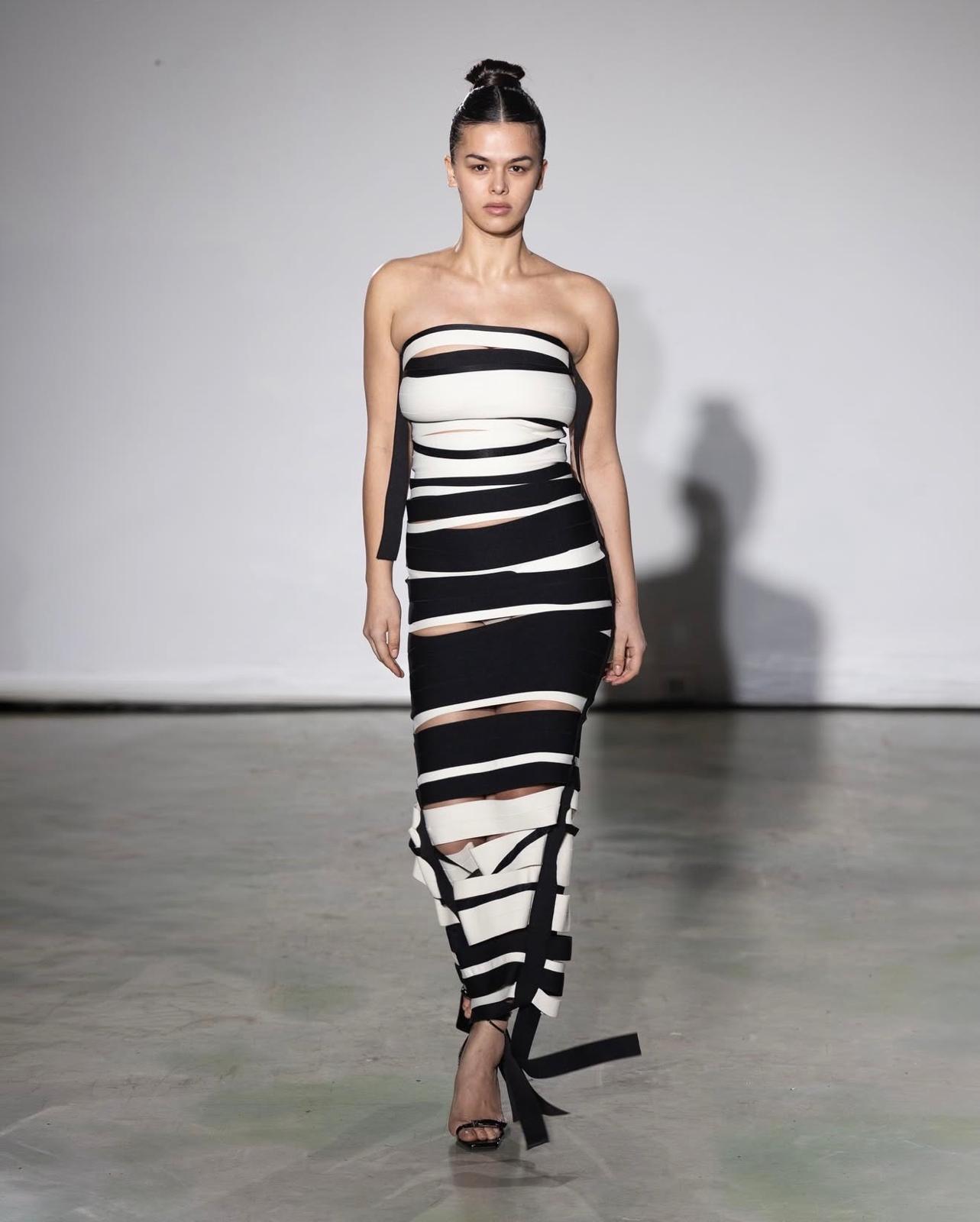
You’ve cast many shows for Amsterdam Fashion Week, including Max Zara Sterck’s show during AFW25. Does casting change when the playing field becomes more international?
In Amsterdam, I already know all the models and that makes the process much easier as opposed to casting abroad. When I arrived in Milan on Saturday morning, there were 20 girls waiting to meet me by 11:00. In those two days of casting, you meet around 600 people and have to make your selection that same evening. Monday is callbacks, Tuesday is the show. It’s very intense. In Amsterdam I can do five shows in four days because I already know the scene. In Milan, everyone is top-level, trained and experienced. In Amsterdam you also have newer faces, which I actually love, but it’s different.
Is there someone you’ve discovered who stands out to you or whose development you’ve followed with extra pride?
I’m rooting for so many people, that’s really what I stand for. There’s one woman I scouted a long time ago who has now converted to Islam and wears a hijab. She’s still with the same agency and continues to get booked. That means a lot to me. I’ve worked with her for years, and to see her go through that transformation and find something that gives her strength and hope, and that it doesn’t limit her career, is really special. I’ve followed her entire journey into modelling, and I’m so happy I got to witness that growth.
You’re currently collaborating with Jorre Janssen on an ongoing portrait project that captures 100 inspiring individuals. Where did that idea originate?
Jorre and I have done many projects together, and he trusts me implicitly with the casting. A while back, we had a shoot where I selected people with strong, unique styles, but they were completely transformed to fit an editorial vision. It felt strange, because we book these people for their individuality, and then you don’t see that anymore. So, we thought, what if we document these people as they are in their daily lives, showcasing how they feel comfortable? We’ve been working on that for two years now. Inevitably we have surpassed the 100 portraits.
What makes it special is that each portrait captures a moment in time. For instance, one woman was pregnant during the shoot and has since given birth. Another, Rebecca, was undergoing chemotherapy when we photographed her, and now she’s finished her treatment and looks entirely different. I have friends’ parents who married in the meantime. There are so many stories behind these individuals who have inspired me in their unique ways, and this project is about honouring that.