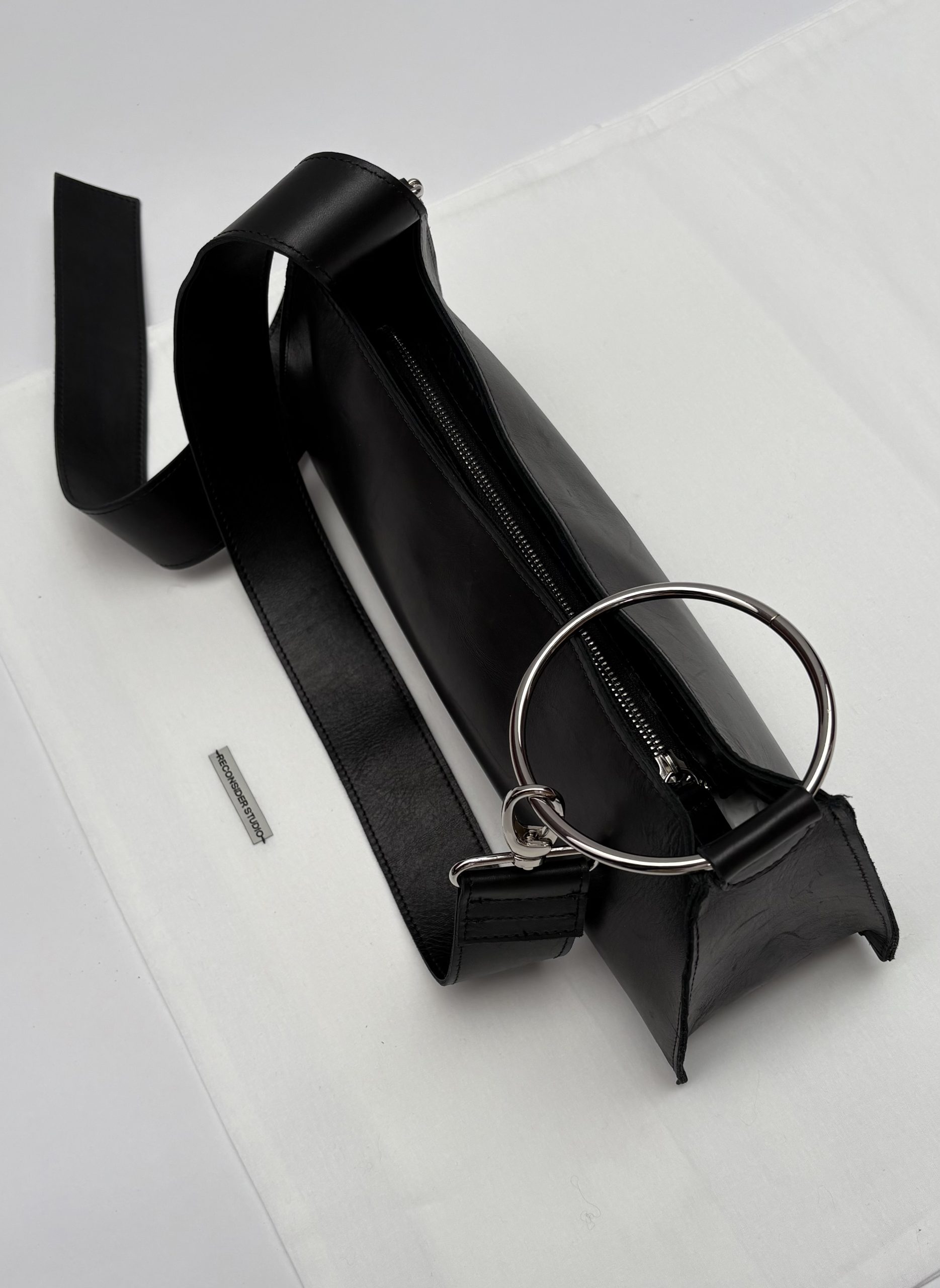
In just a few years, Reconsider Studio has quietly become one of those names that keeps popping up across Amsterdam’s fashion ecosystem. Founded by Britt Wassenaar and Veerle Calkoen, the label has built a loyal following around one-of-a-kind pieces made from existing garments, part upcycling experiment, part design laboratory. What began as two twenty-something designers sharing a small atelier and reworking clothes for themselves has grown into a cult favourite among the city’s creative crowd, worn by everyone from musicians and artists to international names like Suki Waterhouse.
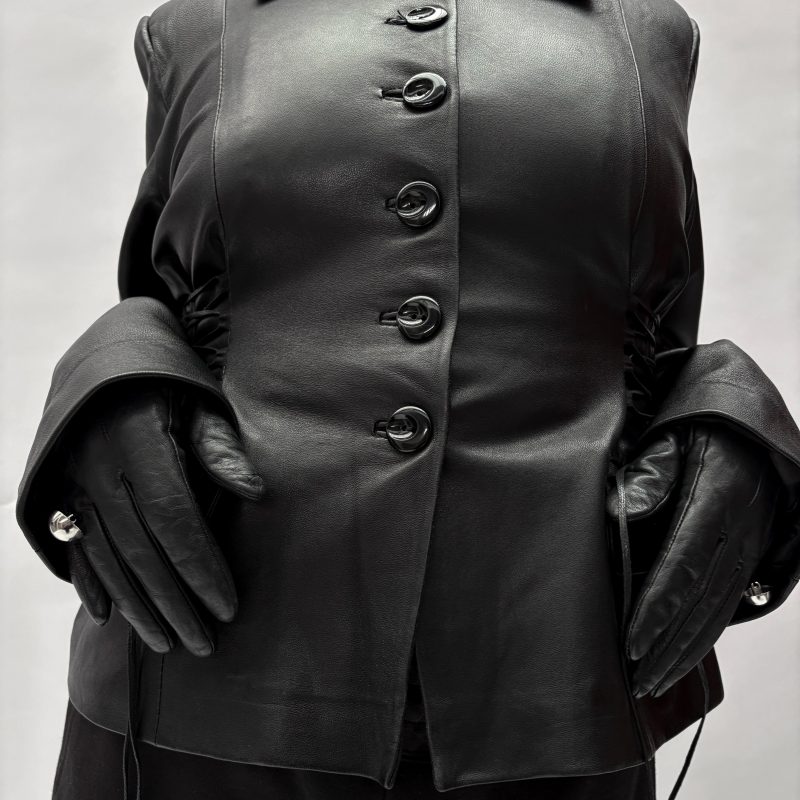
Since 2020, the Dutch duo has built a loyal fanbase around pieces that look like they stepped straight out of the internet’s collective it girl moodboard. Corseted silhouettes, reconstructed leather jackets and sharply cut staples, all made from deadstock garments and impossible to reproduce exactly. With a substantial amount of followers and a steady stream of custom commissions, Reconsider Studio is now entering what the founders describe as a more considered phase. Their latest release, The Atelier Collection, signals a shift away from frequent drops towards fewer, more refined pieces, each developed with a sharper focus on material, silhouette and finish.
We spoke with the founders about building a recognisable design language from existing garments, navigating the realities of scaling handmade fashion, and why slowing down has become central to their next chapter.
Reconsider Studio was founded by you both out of a shared passion for craftsmanship and sustainability. Can you tell us more about the moment this partnership clicked and how your individual strengths influence the brand’s identity today?
Britt: We started about five years ago when we were sharing a small atelier. At that point we were both thinking about starting our own labels.
Veerle: We quickly realised that we had the same ideas when it came to craftsmanship, material choices and sustainability. We both have a strong feeling for design, but Britt has a knack for communication and visual marketing, while I focus more on the details of the clothing, tailoring and the construction of the garments.
What are the biggest challenges you face in scaling sustainable, handmade fashion made from deadstock?
Veerle: Upcycling was actually something we mainly did for ourselves before Reconsider Studio. We altered garments out of a passion to create new pieces for our own wardrobes, not with a business model in mind. The biggest challenge when using upcycling as the red thread of your brand is that every piece is unique and takes a lot of time to make, which makes scaling difficult. Creatively, though, it’s actually very exciting. Every garment becomes a new design process. Instead of starting from scratch, you’re working with the codes of an existing piece, and that really pushes our creativity.
You describe The Atelier Collection as the beginning of a new chapter for Reconsider Studio. What prompted that shift?
Britt: It happened gradually. In the beginning we experimented with many small drops and collections, which taught us a lot. Eventually we realised we wanted more focus and fewer pieces, but with more time spent on the design and finishing.
Veerle: It’s a more mature phase, where we put more detail and love into the pieces that leave our atelier. It’s almost impossible to produce exactly the same items when you work from existing garments, even though people often expect that. They want that one exact piece. In the Atelier Collection we do repeat certain techniques or details, like the drawstring corset, but every piece still turns out different because of the fabric. That’s exactly what we enjoy. We started this because we also wanted pieces that nobody else has and that really fit the person and their personal style.
Is it difficult to maintain a clear design identity when every piece is one of a kind?
Veerle: We often hear that our work has a very recognisable handwriting, which is quite special because we are two different designers. But we understand each other very well creatively, whether Britt designs something or I do. Over the years we’ve also refined a clearer sense of which silhouettes and ideas feel truly authentic to us and which pieces connect most with our audience.
When everything is designed to exist beyond seasons and trends, how do you define timelessness?
Britt: For us, timelessness is not tied to one specific moment. Our pieces can be worn in different ways, which makes them more versatile and allows the wearer to interpret them in their own way. The feeling you get when wearing a piece is also very important to us.We only work with high quality materials so the garments last and continue to look beautiful over time. For us, timeless is not synonymous with basic. We believe people want pieces they don’t get tired of because they feel special, whether through the details, the silhouette or the way they can be styled. Quality is everything, and that also gives us the freedom to experiment with more unusual details or shapes.
Reconsider Studio was founded in 2020. How did starting a brand in that moment shape your approach?
Britt: It genuinely felt like starting from zero. Even though we both had some experience, and our previous chapters may have helped a little with visibility, it still felt like a clean slate. We had to rediscover ourselves creatively and really learn how to run a brand like this from the ground up.
Veerle: In a way, Covid actually helped us. We suddenly had time to develop the concept properly. That first year was mostly about experimenting, making samples and refining our ideas.
Looking ahead, are collaborations something you would like to explore?
Britt: Definitely. Especially with creatives who care about craftsmanship and sustainability. It could be fashion, jewellery, objects, even something like a lamp or a ring. As long as it’s made with the right mindset, we’re interested. We also recently hosted a pop-up in Paris and would love to introduce the brand to other cities. One day we’d love to stage our own show as well.
Reconsider Studio seems to be constantly evolving. What is the long-term vision?
Britt: Over the past years we’ve experimented with many ways of working. Our goal now is to keep refining the brand and build a strong reputation for designs made from existing materials. There isn’t really an end point. We want to keep growing, reach more people and be recognised as a fully-fledged high-end brand. We started very young, and we want the company to grow alongside us. The Atelier collections will definitely continue, and we also want to expand the bag line we developed using leftover materials in Italy. Step by step.